
The Art of Architectural Photography in Chicago
Enjoy the best of photography, creative inspiration, Chicago architectural style and design, urban landscape photographs, travel adventures and behind-the-scenes stories by professional photographer Raf Winterpacht. Find out how to use photography techniques, explore some of the most famous and beautiful places where we shoot, find inspiration for every season and learn about the creative process that goes into producing beautiful and imaginative photographs. Whether you are an enthusiastic amateur photographer, love to travel, appreciate architecture, are an art collector or simply enjoy looking at fine art photographs, you will discover new ideas and inspiration in this photography blog as well as celebrate the history, culture and unique personality of Chicago through fine art photography.
6/12/20264 min read
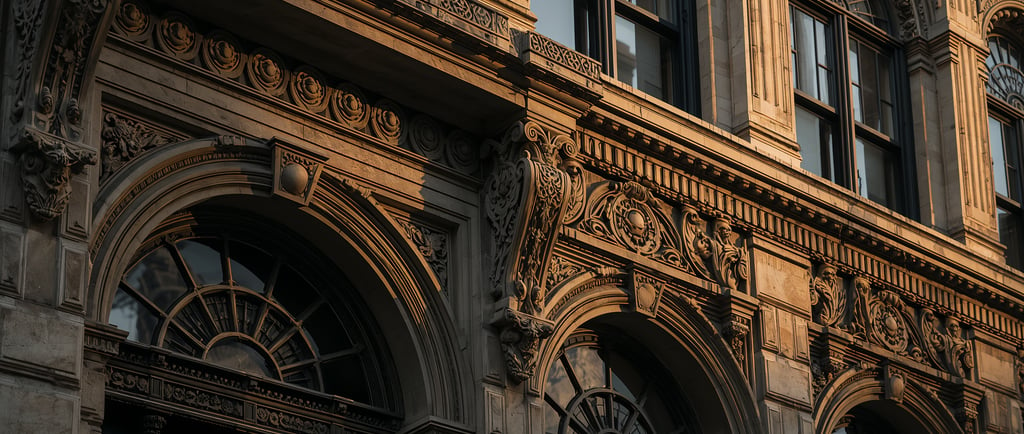
Chicago is one of the top cities in terms of architectural significance. With many historical buildings, plus modern towers that dominate the skyline, there are many ways for photographers to document the history and design of buildings and landscapes.
Photography of architecture is much more than just taking pictures of buildings. It is an art form that requires understanding of design, light, textures, scales and relationship of structures and their surrounding environments. Given Chicago’s rich architectural history, which spans well over a hundred years, photographers have a great deal of room to be creative and share stories about history, engineering and urban living.
One reason why Chicago is so interesting is because it played a key role in developing modern architecture. After the fire that destroyed a large portion of the city in 1871, architects and engineers began exploring new techniques to build taller buildings. Over time, these innovations resulted in the development of the skyscraper. Visitors today can see a variety of architectural designs including Beaux Arts, Art Deco and Mid Century Modern. Also, there are many modern glass skyscrapers.
For photographers interested in documenting Chicago’s architectural past, they may find it helpful to review historic architectural images. For example, the Historic Architecture and Landscape Image Collection (HALIC) housed by The Art Institute of Chicago contains thousands of photographs and other visual materials documenting architecture, landscape architecture and urban planning. Photographers using this resource will gain a greater understanding of how Chicago’s built environment has changed over time and get ideas on how to take pictures of the city’s iconic buildings. Learn more through HALIC: https://www.artic.edu/artworks/262249/historic-architecture-and-landscape-image-collection
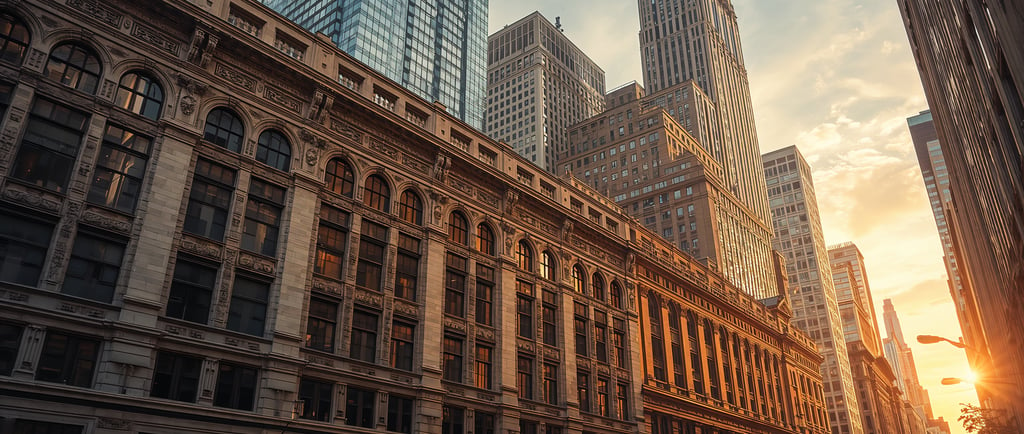
One of the biggest challenges for architectural photographers is finding the right view point. Most photographers tend to shoot buildings from eye level but shooting from different vantage points allows for much better shots. Shooting up shows the scale and height of the buildings while shooting from above gives you views of geometric relations not seen from street level.
The Chicago River is home to several very good places to photograph. Paths along the river give you opportunities to shoot reflections, leading lines, and interesting views of old and new buildings. When it is still outside of the river area is reflected on the water surface making common city scenes look dynamic with good symmetrical and balanced visuals.
Light plays a major part in architectural photography. Buildings look totally different during a day as light travels around them. Light in early morning hours often creates warm tones and soft shadows that show detail. As light gets closer to sunset it creates high contrasting images showing the shapes of buildings. And during Blue Hour photography you see bright city lights next to a dark blue sky.
Other factors that affect moods in architectural photos include weather. Sunny days give clear details and vibrant colors, rainy days give reflective surfaces creating depth and interest, winter brings white, gray, brown or black and makes each place a whole new scene when interacting with the architectural features of the city.
Scale is also important. Using people, cars or other urban features helps viewers understand size of buildings. But architectural photography doesn’t need to use humans as models. Some photographers prefer clean compositions focusing on design, structures and forms.
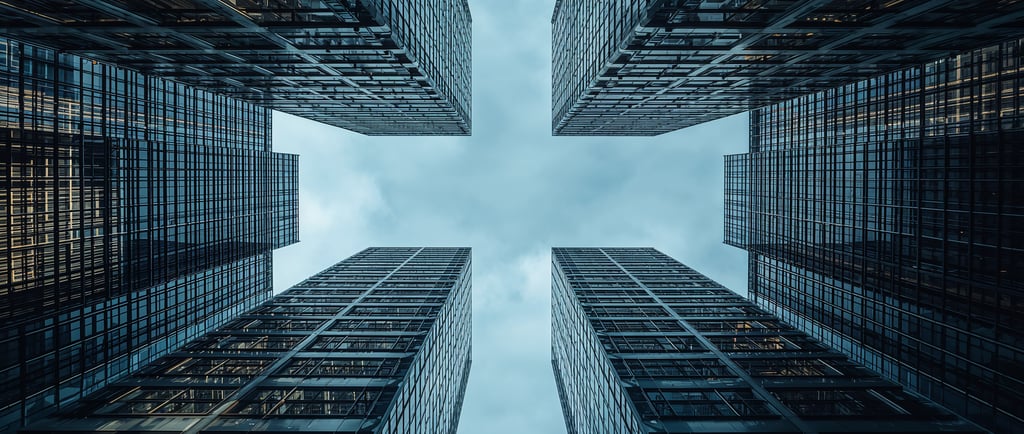
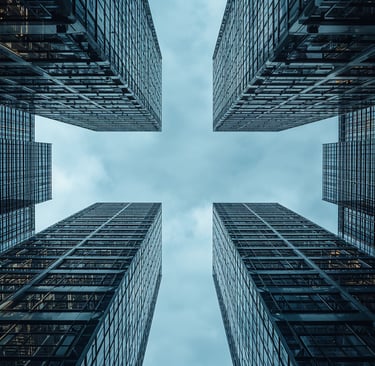
Because Chicago has all kinds of architectural styles, you can experiment with using wide angle lenses and telephoto lenses. Wide angle lenses are good for capturing larger structures and broader city scenes. Telephoto lenses are best used for isolating patterns, small details and aspects of architectural elements that cannot easily be seen. Finding a different lens length often shows you new interpretations of familiar buildings.
Patience is also required for getting good architectural images. Good images usually come after you wait for the perfect weather or lighting conditions or combination of atmospheric elements. Most professional photographers visit the same places many times per year to capture seasonal changes and varied atmosphere.
You can adjust post processing to enhance images taken during architectural photography. Contrast adjustment, color balance adjustments, perspective correction adjustments and enhancements in details can all work together to make images that are a true representation of a photographer's vision. However, good editing starts with strong composition and solid technique captured in the field.
Ultimately, architectural photography is about observing. It teaches photographers to observe their surroundings slowly and appreciate the decisions made for designing urban spaces. Every building in Chicago tells a story whether it is a historic landmark defining modern architecture or a contemporary structure pushing creative limits.
If you are an experienced photographer or if you just enjoy seeing beauty in design, Chicago provides infinite inspiration. By learning about light, composition, viewpoint and architectural history, photographers can create meaningful images celebrating one of the world's most wonderful cities. Each image will become an opportunity to save a moment in time while presenting a new view on Chicago's architectural legacy. At Chicago Photo Concepts, we believe every photograph tells a story, capturing the beauty, architecture, and unique character that make Chicago an extraordinary city.
Chicago Photo Concepts
Museum-grade archival prints of Chicago's structural soul.
© 2026 Chicago Photo Concepts-Museum-grade archival prints of Chicago's structural soul.